

Surveying is an essential profession that plays a crucial role in multiple aspects of land and property management. From determining precise boundaries to supporting construction projects, surveyors employ advanced techniques and tools to ensure accuracy and adherence with legal requirements. As we examine the science behind surveying, it becomes clear that this field blends art and technology, providing essential insights that are fundamental to property transactions and development.
In this article, we will discuss what a surveyor does, the numerous types of surveyors, and the developments shaping the future of the industry. Whether you are considering a property purchase, initiating a construction project, or simply curious about the surveying profession, our thorough guide will highlight the significant contributions of surveyors to our built environment and help you comprehend when and why to engage their services.
Grasping the Importance of Surveyors
Land surveyors play a vital role in the preparation and implementation of various construction and real estate projects. They are charged with mapping and measuring land, which provides necessary data for property boundaries, topography, and infrastructure development. By employing precise instruments and techniques, surveyors ensure exact measurements that serve as the foundation for all following work on a project, from design to construction. Their expertise avoids disputes over land ownership and makes certain that developers adhere to zoning laws and regulations.
In further to boundary surveys, there are multiple specialties within the surveying profession, including land surveyors, building surveyors, and quantity surveyors. https://breareybuildingexperts.com/ of surveyor has a distinct focus that contributes to the complete success of a project. Land surveyors primarily deal with external spaces and property delineation, while building surveyors assess the condition and conformity of structures. Quantity surveyors control costs and budgeting, ensuring that financial resources are distributed properly throughout the development process. Grasping these roles is essential when contemplating hiring a skilled surveyor for any project.
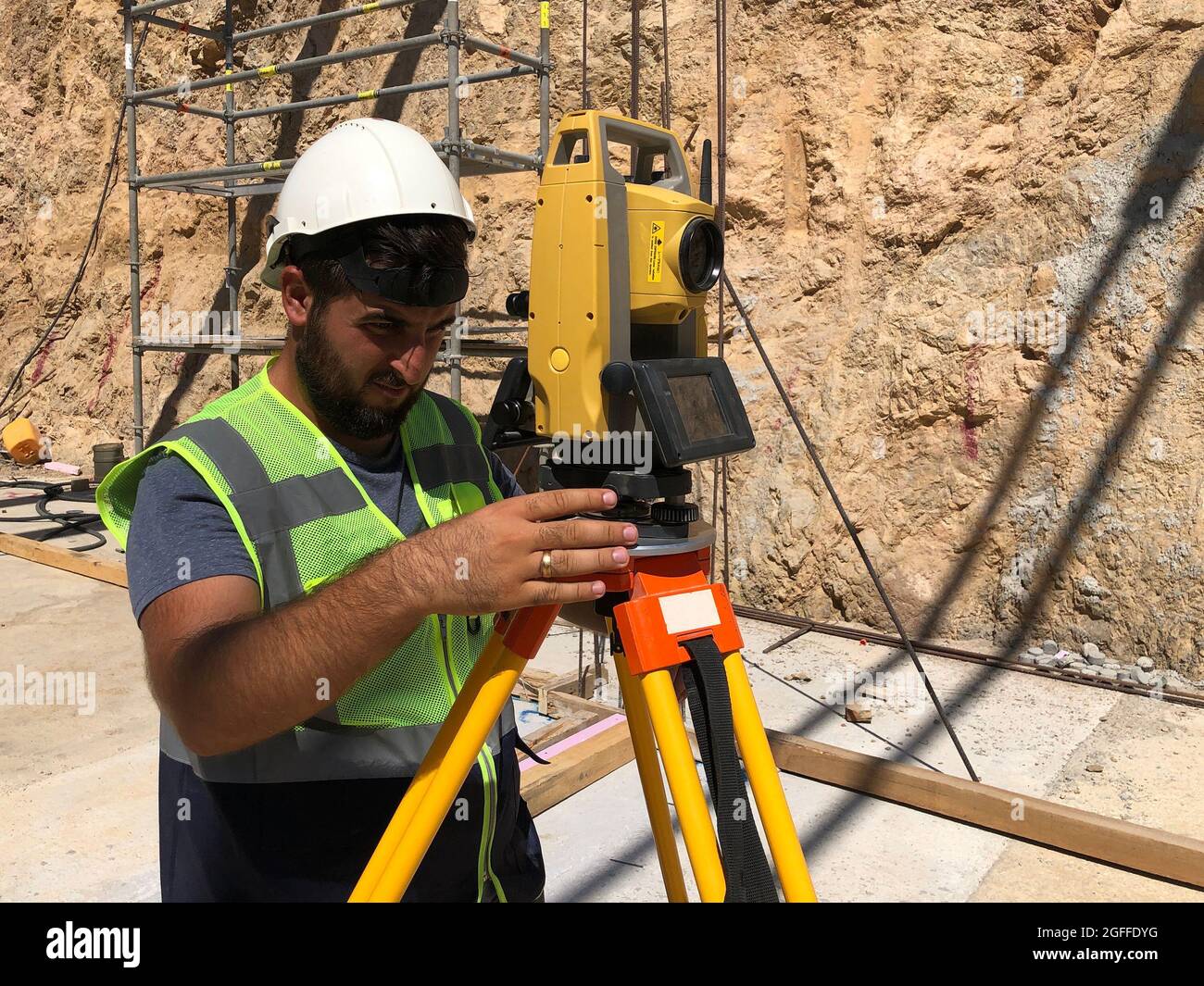
Surveyors are not only valuable for massive construction projects but also play an critical part in property transactions and development. They provide vital information that helps buyers, sellers, and developers make educated decisions regarding real estate investments. By conducting comprehensive assessments and creating detailed reports, land surveyors help clients comprehend property conditions, boundaries, and potential issues that may arise. Their insights are indispensable in navigating the challenges of real estate and construction, making their expertise indispensable in today’s property market.
Hiring a Qualified Surveyor
When it comes to property transactions and development projects, engaging a professional surveyor is crucial. A experienced surveyor brings skills that can enhance the reliability of critical measurements and assessments. They guarantee that land boundaries are clearly defined and that all legal requirements are met, protecting you from potential disputes and financial mistakes in the long term.
Qualified surveyors have access to specialized tools and technologies that enable them to collect precise data. With their expertise of local regulations and zoning laws, they can guide you through the challenges of property development, guaranteeing compliance and avoiding delays. This not just streamlines the process but also contributes to the overall effectiveness of the project.
Moreover, the expenditure in a professional surveyor can lead to considerable savings in the years to come. Their comprehensive reports and analysis can identify potential issues before they arise, allowing for preemptive measures to be taken. This can prevent unexpected costs and increase the value of your property, making their services crucial in both residential and industrial projects.
Innovations in Surveying Methods
The surveying industry has seen major advancements with the integration of modern technology. One of the most notable developments is the use of unmanned aerial vehicles, which provide an efficient and economical method for conducting aerial surveys. Drones can capture high-resolution images and data over large areas in a fraction of the time it would take conventional methods. This technology not only enhances precision but also improves access to difficult terrains, making it a revolutionary solution for surveyors working in remote locations or challenging environments.
Another groundbreaking development is the use of three-dimensional laser scanning. This technique allows surveyors to create highly detailed and exact three-dimensional models of terrain and structures. By capturing countless of data points in a short time, 3D laser scanners can produce comprehensive surveys that enable better analysis and decision-making for building initiatives, city planning, and cultural preservation. This innovation improves the accuracy of measurements and reduces the likelihood of mistakes, ultimately leading to more successful project outcomes.
GIS have also transformed the way surveyors analyze and manage spatial data. GIS technology enables surveyors to see, interpret, and manage geographical data effectively. It combines mapping capabilities with data analysis, allowing surveyors to assess trends, manage resources, and support environmental planning. As GIS continues to evolve, its ability to integrate live data and forecasting tools will further enhance the capabilities of surveyors in various fields, from city growth to ecosystem protection.